

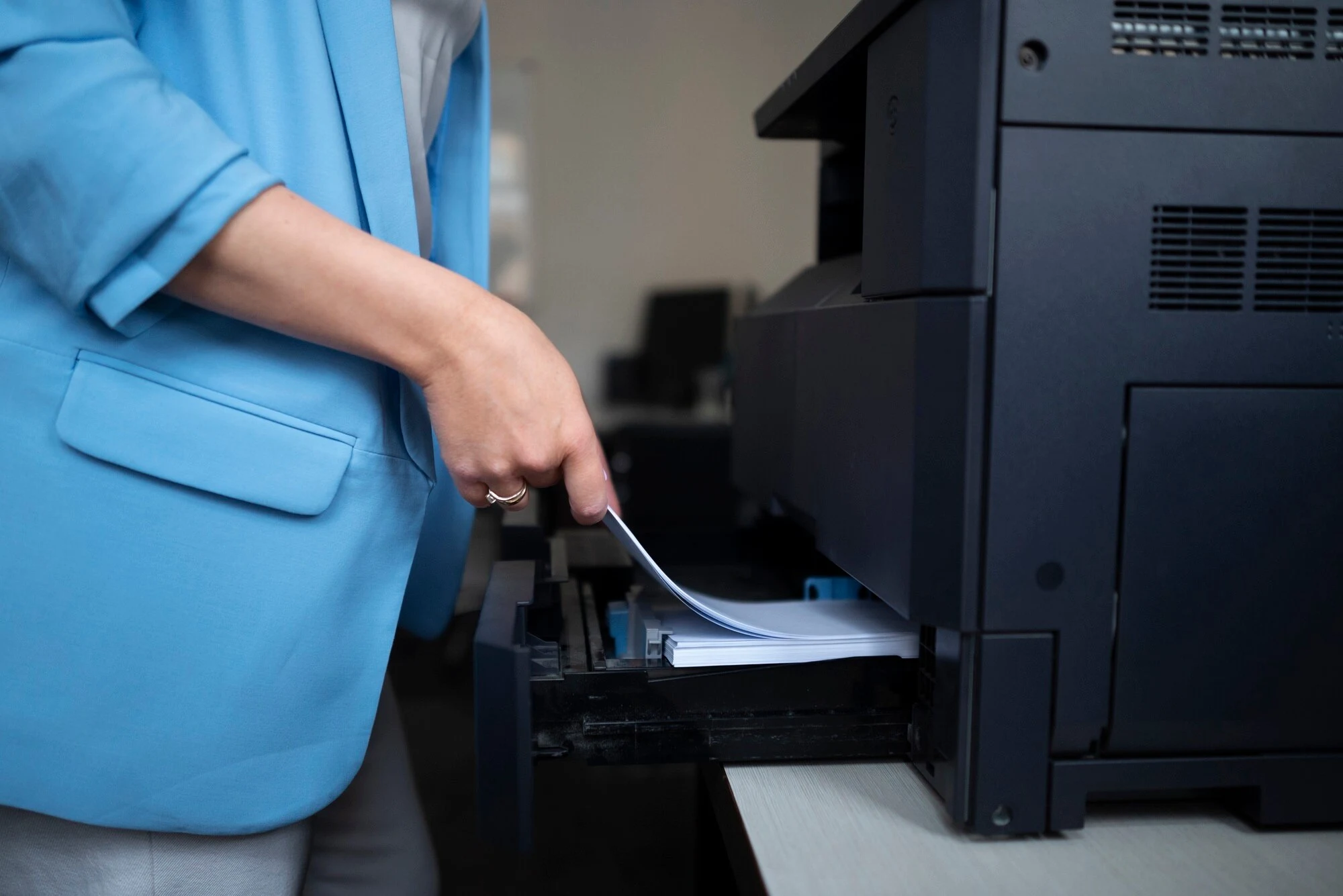
Printers are an essential yet often overlooked part of daily operations for many Australian small and medium businesses. From invoices and contracts to compliance documents and marketing materials, reliable printing keeps operations running smoothly.
A key challenge for business owners is printer leasing vs buying, which option delivers the best financial and operational results? With pressures on cash flow, operating costs, technology, and growth, the wrong choice can lead to unexpected expenses, downtime, and frustration.
This guide helps Australian SMEs make an informed decision, comparing leasing and buying in terms of cost, flexibility, maintenance, tax benefits, and long-term value, so your business can choose the solution that works best and print confidently with Printly.
Despite the move toward digital workflows, printing remains critical for many industries across Australia. Sectors such as legal, healthcare, education, logistics, retail, and construction rely heavily on printed documents for compliance, records, and professional presentation.
Government regulations, client documentation, contracts, patient records, and delivery dockets often require physical copies. A reliable printer is not just a convenience, it’s a business necessity.
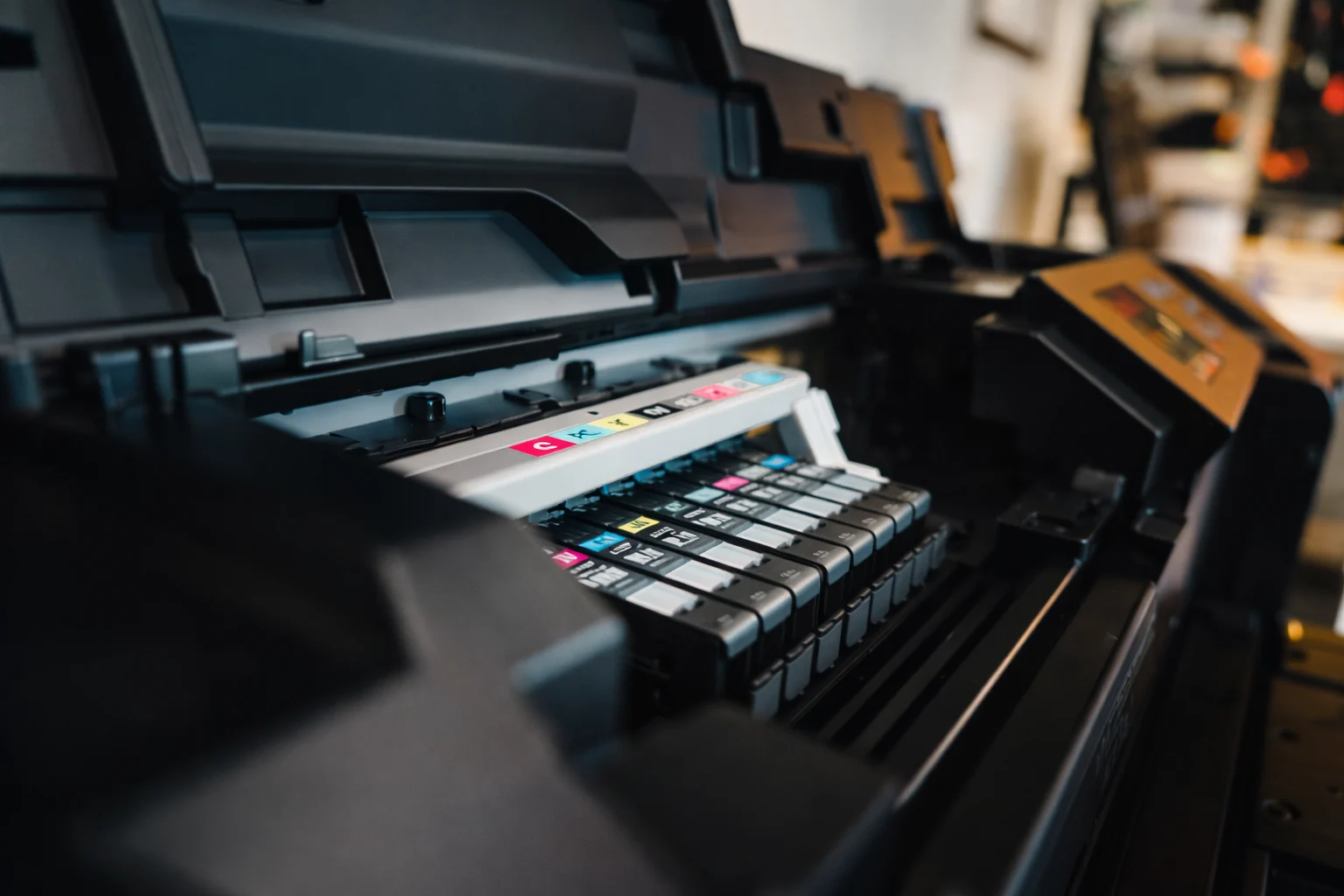
Before deciding between printer leasing vs buying, businesses should assess their actual needs:
Understanding these factors ensures you don’t overpay in your printing solution.
Printer leasing allows businesses to rent a printer or multifunction device for a fixed monthly fee over an agreed period, typically 24 to 60 months. In Australia, leasing often includes managed print services, which cover servicing, repairs, toner, and ongoing support.
Rather than owning the printer, the business pays for usage and access, similar to other subscription-based services.
Printer leasing offers several advantages for Australian SMEs:
For growing businesses, this model reduces operational stress and improves efficiency.
While leasing has many benefits, it’s important to consider potential downsides:
Carefully reviewing lease terms helps avoid unexpected costs.
Buying a printer involves a one-time capital investment. Once purchased, the business owns the equipment outright and is responsible for maintenance, consumables, and repairs.
This option provides complete control but also full responsibility.
Buying a printer can work well for certain businesses:
Businesses with stable, predictable needs may find ownership appealing.
However, buying also comes with risks:
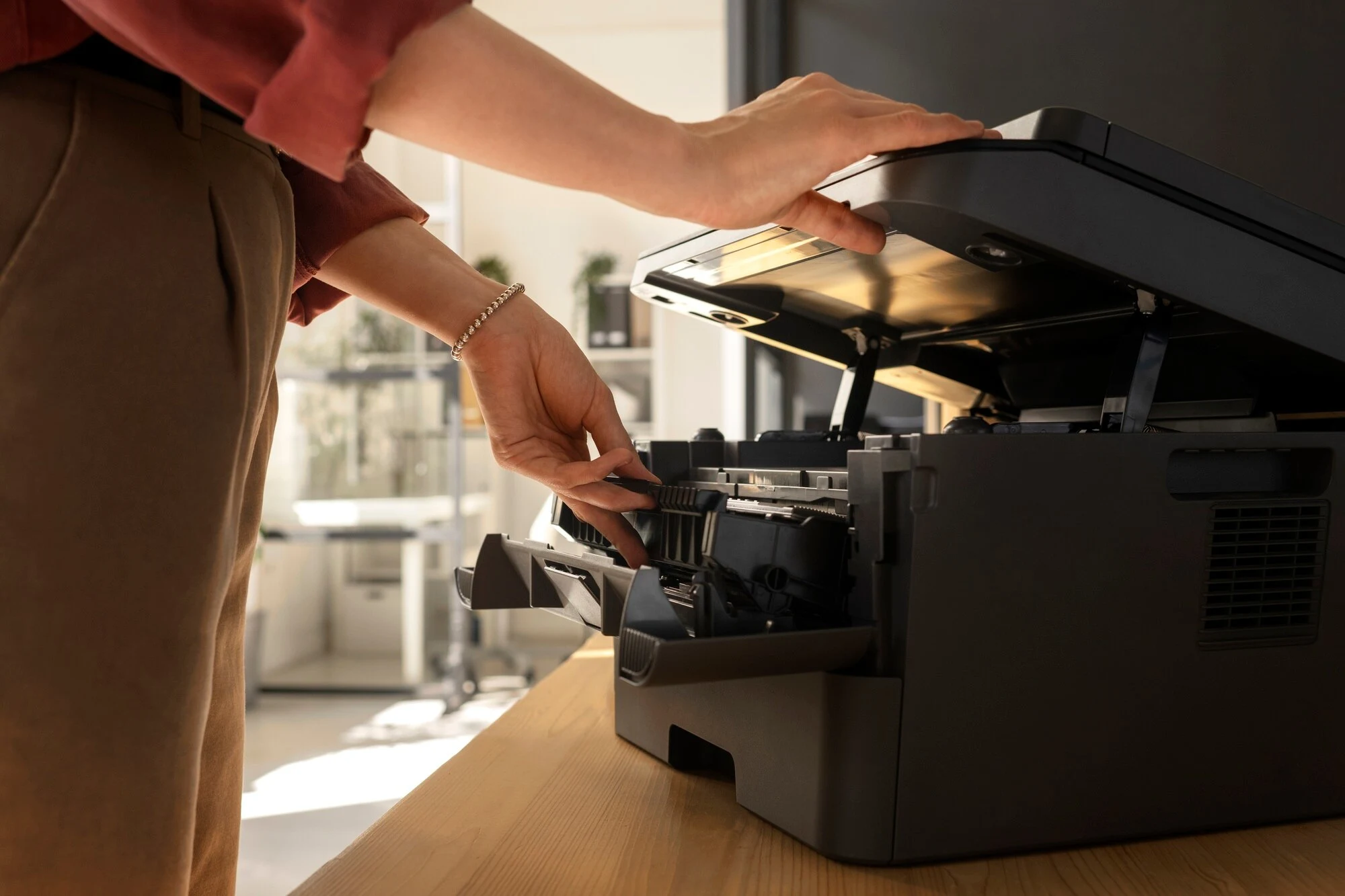
When comparing printer leasing vs buying, cost structure matters:
Leasing protects cash flow, while buying may offer savings over a longer period if usage remains low.
With printer leasing, managed print services typically cover servicing, repairs, and toner—minimising downtime and unexpected costs. Buying a printer means maintenance falls on your team or external technicians, which can lead to delays, higher expenses, and operational disruptions.
Leasing provides flexibility for growing Australian businesses. As needs change, devices can be upgraded or replaced. Owned printers may struggle to keep up with growth or new technology.
From an accounting perspective:
Always consult your accountant to maximise tax benefits.
Printer leasing is ideal for:
Buying may suit:
Across Australia, more businesses are shifting toward managed print services to improve efficiency, reduce waste, and access energy-efficient printing solutions. Leasing aligns with sustainability goals while keeping costs under control.
There’s no one-size-fits-all answer to printer leasing vs buying. The right choice depends on your budget, print volume, growth plans, and how much support you need. Leasing delivers flexibility, predictable costs, and peace of mind, while buying may suit smaller, low-volume operations with stable printing needs.
The best solution is the one that aligns with your business strategy, keeps operations running smoothly, and lets you print confidently with Printly.
If you’re unsure whether leasing or buying is right for your business, expert guidance makes all the difference. Explore tailored printer solutions designed for Australian SMEs and speak with specialists who understand your industry.
Print confidently with Printly. Contact us today for a personalised consultation and see how we can help your business print right.
1. Is printer leasing cheaper than buying for small businesses in Australia?
A: Printer leasing is often cheaper in the short term because there’s no large upfront cost and maintenance is usually included. For many Australian small businesses, leasing helps manage cash flow more effectively, especially when printing needs are ongoing or growing.
2. What is included in a printer leasing agreement?
A: Most printer leasing agreements in Australia include the printer itself, servicing, repairs, toner, and technical support. Some also offer managed print services, which help monitor usage and reduce printing costs over time.
3. Can I upgrade my printer during a lease?
A: Yes, many leasing providers allow upgrades during or at the end of the lease term. This is ideal for growing businesses that may need more advanced or higher-capacity printers as their operations expand.
4. Is buying a printer better for low-volume printing?
A: Buying a printer can be a good option for businesses with very low or occasional printing needs. If your printing requirements are stable and unlikely to change, owning a printer outright may be more cost-effective in the long run.
5. Are printer leasing payments tax-deductible in Australia?
A: In most cases, printer leasing payments are treated as operating expenses and can be tax-deductible. Purchased printers are usually depreciated over time. It’s best to confirm the details with your accountant or tax advisor.
6. How do I decide whether to lease or buy a printer for my business?
A: The choice depends on your print volume, budget, growth plans, and support needs. Leasing is ideal for businesses seeking predictable costs and minimal maintenance, while buying works best for small, stable offices with straightforward printing requirements. If you’re unsure, let us help you find the right printing solution. Contact our expert team today!
Whether you need a new office printer, a multifunction printer, a office printer for high-volume work, or a fully managed print service. Book your free workplace assessment and we'll find the perfect fit for your Sydney business.